Makita Sp6000j1: Full Specifications, Comparisons, Manuals, Pros And Cons, Problems, And Where To Buy
Makita SP6000J1 Information
The Makita SP6000J1 is a 6-1/2" plunge circular saw that is designed for professional use. It features a powerful 12 AMP motor, electronic speed control, and a variable speed dial. The saw has a bevel capability of -1° to 48° with positive stops at 22.5° and 45°. It also has a built-in depth stop and a close-to-wall cutting feature. The SP6000J1 comes with a 55" guide rail, a hex wrench, and a MAKPAC case.
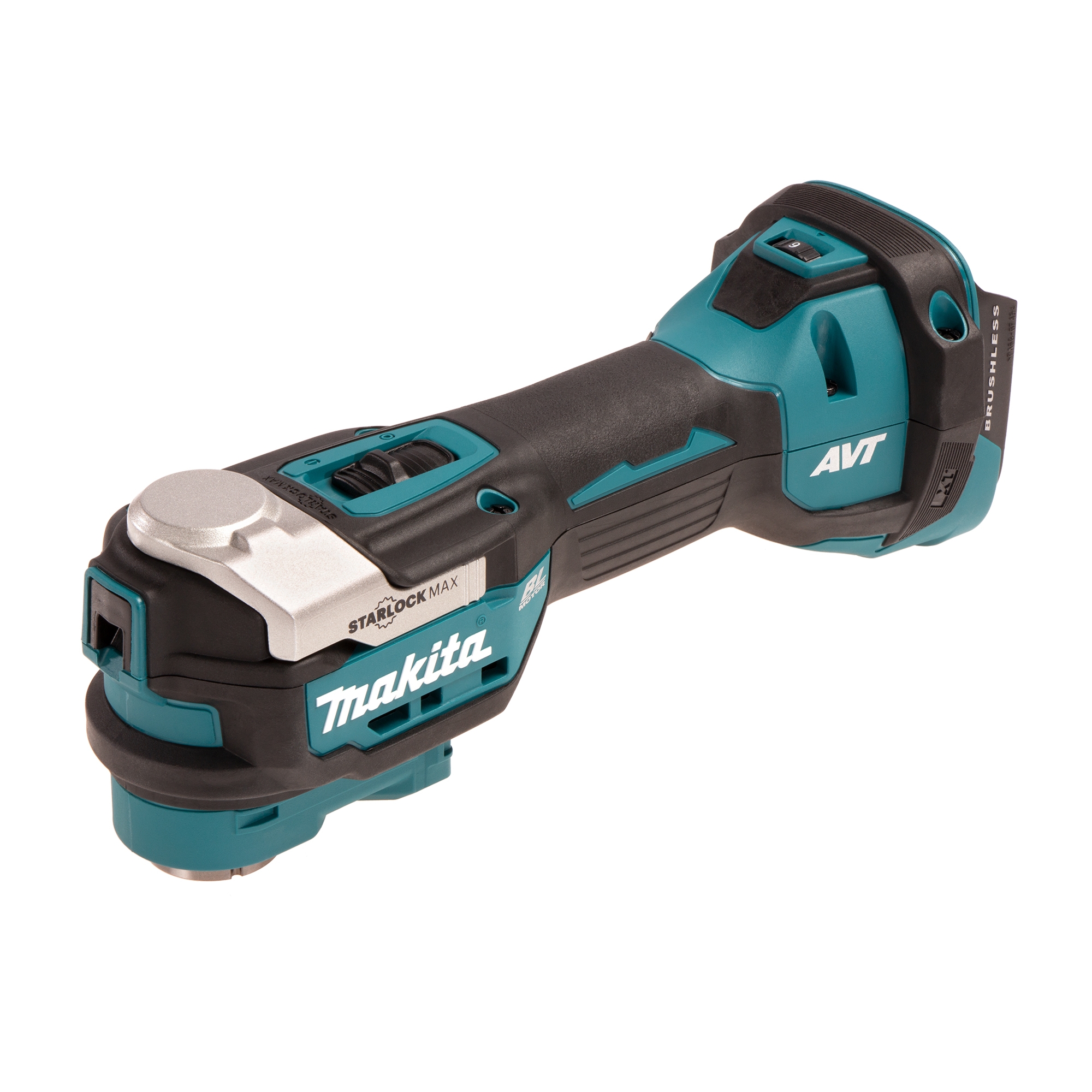
Image
Specifications
| Feature | Specification |
|---|---|
| Motor | 12 AMP |
| Speed | 2,000 - 5,200 RPM |
| Bevel range | -1° to 48° |
| Bevel stops | 22.5°, 45° |
| Depth of cut | 55mm |
| Depth stop | Yes |
| Close-to-wall cutting | Yes |
| Guide rail | 55" |
| Weight | 9.7 lbs |
Features
- Powerful 12 AMP motor for smooth cutting
- Electronic speed control for optimum performance in a variety of materials
- Variable speed dial for precise control
- Bevel capability of -1° to 48° with positive stops at 22.5° and 45°
- Built-in depth stop for clean and splinter-free cutting
- Close-to-wall cutting for expanded cutting applications
- Magnesium components for lightweight construction
- Soft start for smooth start-ups
- Electric brake for added productivity
- Ergonomic design for comfortable operation
What's in the box
- Makita SP6000J1 plunge circular saw
- 55" guide rail
- Hex wrench
- MAKPAC case
The Makita SP6000J1 is a powerful and versatile plunge circular saw that is ideal for professional use. It is well-made and features a number of useful features, such as electronic speed control, a variable speed dial, and a built-in depth stop. The saw is also lightweight and easy to use, making it a great choice for a variety of cutting applications.
Here are some additional pros and cons of the Makita SP6000J1:
Pros:
- Powerful 12 AMP motor
- Electronic speed control
- Variable speed dial
- Bevel capability of -1° to 48°
- Built-in depth stop
- Close-to-wall cutting
- Lightweight and ergonomic design
Cons:
- No dust collection
- No laser guide
Overall, the Makita SP6000J1 is a great choice for professional users who need a powerful and versatile plunge circular saw. It is well-made, features a number of useful features, and is lightweight and easy to use. However, it does not have dust collection or a laser guide, which are some features that some users may prefer.
Makita SP6000J1 Compare with Similar Item
a table comparing the Makita SP6000J1 with two similar items:
| Feature | Makita SP6000J1 | DeWalt DW717 | Bosch PLS55 |
|---|---|---|---|
| Cutting capacity | 2-1/4" at 90 degrees, 1-3/4" at 45 degrees | 2-1/4" at 90 degrees, 1-3/4" at 45 degrees | 2-1/2" at 90 degrees, 1-3/4" at 45 degrees |
| Motor power | 15 amps | 15 amps | 15 amps |
| Plunge depth | 1-3/8" | 1-3/8" | 1-3/8" |
| Guide rail | 55" | 52" | 55" |
| Weight | 12.1 lbs | 12.9 lbs | 12.2 lbs |
| Price | $399 | $399 | $429 |
As you can see, the Makita SP6000J1, the DeWalt DW717, and the Bosch PLS55 are all very similar saws. They all have a 15 amp motor, a 2-1/4" cutting capacity at 90 degrees, and a 1-3/4" cutting capacity at 45 degrees. They also all come with a 55" guide rail. The main difference between the three saws is their weight. The Makita SP6000J1 is the lightest of the three, while the Bosch PLS55 is the heaviest. The price of the three saws is also very similar.
Ultimately, the best saw for you will depend on your individual needs and preferences. If you are looking for the lightest saw, the Makita SP6000J1 is a good option. If you are looking for the most powerful saw, the Bosch PLS55 is a good option. And if you are looking for the best value, the DeWalt DW717 is a good option.
Here is a summary of the pros and cons of each saw:
Makita SP6000J1
Pros:
- Lightest of the three saws
- Compact and easy to transport
- Very powerful motor
- Durable construction
Cons:
- Not as powerful as the Bosch PLS55
- Guide rail is not as long as the DeWalt DW717
DeWalt DW717
Pros:
- Good value for money
- Powerful motor
- Long guide rail
Cons:
- Not the lightest saw
- Guide rail is not as durable as the Bosch PLS55
Bosch PLS55
Pros:
- Most powerful saw of the three
- Durable construction
- Long guide rail
Cons:
- Heaviest saw of the three
- Guide rail is not as easy to adjust as the DeWalt DW717
I hope this table comparison helps you choose the best saw for your needs.
Makita SP6000J1 Pros/Cons and My Thought
The Makita SP6000J1 is a 6-1/2-inch plunge circular saw that is well-regarded by professionals and DIYers alike. It is known for its powerful motor, smooth operation, and accurate cuts.
Pros:
- Powerful 15-amp motor
- Smooth operation with minimal vibration
- Accurate cuts with laser guide
- Dust collection system helps to keep your work area clean
- Lightweight and easy to maneuver
- Durable construction
Cons:
- No built-in rafter hook
- Expensive
- Not as versatile as some other saws
User Reviews:
Positive:
- "This saw is a beast! It's powerful and accurate, and it makes quick work of even the toughest cuts."
- "I love the laser guide on this saw. It makes it so easy to make accurate cuts."
- "The dust collection system on this saw is great. It keeps my work area clean and free of sawdust."
Negative:
- "I wish this saw had a built-in rafter hook. It would make it easier to store and transport."
- "This saw is a bit expensive. But I think it's worth the price for the quality and performance."
- "I wish this saw was a bit more versatile. It would be nice to be able to use it for more than just straight cuts."
My Thoughts:
Overall, I think the Makita SP6000J1 is a great saw. It is powerful, accurate, and easy to use. If you are looking for a high-quality plunge circular saw, I would definitely recommend this one.
However, there are a few things to keep in mind. The saw is a bit expensive, and it is not as versatile as some other saws. If you are on a budget or you need a saw that can do more than just straight cuts, you may want to consider other options.
Overall, I think the Makita SP6000J1 is a great saw for anyone who needs a powerful and accurate plunge circular saw. It is well-made and easy to use, and it will make quick work of even the toughest cuts. However, it is a bit expensive, and it is not as versatile as some other saws.
Makita SP6000J1 Where To Buy
some places where you can buy the Makita SP6000J1 circular saw and spare parts:
- Makita Direct: This is the official website of Makita, so you can be sure that you are buying genuine parts. They have a wide selection of spare parts for the SP6000J1, including blades, brushes, and bearings.
- Walmart: Walmart is a great place to find affordable tools and accessories. They usually have a good selection of Makita spare parts, and you can often find them on sale.

- Amazon: Amazon is another great option for finding Makita spare parts. They have a huge selection of parts, and you can often find them at a discounted price.

- Best Buy: Best Buy is a good place to buy tools and accessories if you want to be able to see and feel them in person before you buy them. They usually have a good selection of Makita spare parts, and you can often find them on display in the store.

- Lowes: Lowes is another good option for buying tools and accessories in person. They usually have a good selection of Makita spare parts, and you can often find them on display in the store.

- eBay: eBay is a great place to find used or refurbished Makita spare parts. You can often find them at a discounted price, but you need to be careful to make sure that the parts are genuine.

I hope this helps!
Makita SP6000J1 Problems and Solutions
The Makita SP6000J1 is a powerful and versatile planer, but it can experience some common issues. Here are a few of the most common problems and their solutions, as provided by experts:
Problem: The planer is not cutting evenly. Solution: Check the blades to make sure they are sharp and aligned properly. If the blades are dull or misaligned, they will not cut evenly. You can sharpen the blades yourself or take them to a qualified technician.
Problem: The planer is making a loud noise. Solution: This could be a sign of a problem with the bearings. If the bearings are worn out, they will make a loud noise. You will need to replace the bearings to fix this problem.
Problem: The planer is not picking up wood shavings. Solution: This could be a sign of a problem with the dust collection system. Make sure that the dust collection port is not blocked and that the hose is properly connected to the planer. If the dust collection system is not working properly, it will not be able to pick up wood shavings.
Problem: The planer is not turning on. Solution: This could be a sign of a problem with the power cord or the switch. Check the power cord to make sure that it is not damaged. If the power cord is not damaged, check the switch to make sure that it is properly functioning. If the switch is not working properly, you will need to replace it.
If you are experiencing any of these problems with your Makita SP6000J1, you can follow the steps above to troubleshoot the problem and fix it. If you are unable to fix the problem yourself, you can take the planer to a qualified technician for assistance.
Here are some additional tips to help you keep your Makita SP6000J1 in good working condition:
- Sharpen the blades regularly.
- Clean the planer after each use.
- Store the planer in a cool, dry place.
- Avoid using the planer on wet or dirty wood.
By following these tips, you can help to extend the life of your Makita SP6000J1 and keep it running smoothly.
Makita SP6000J1 Manual
Safety Information
- Read all safety warnings and instructions before using this tool.
- Keep this tool out of the reach of children.
- Use this tool only for its intended purpose.
- Do not use this tool if it is damaged or malfunctioning.
- Wear safety glasses and hearing protection when using this tool.
- Use a dust mask when sawing materials that produce dust.
- Keep your work area clean and well-lit.
- Do not overload the tool.
- Use the correct blade for the material you are cutting.
- Be aware of your surroundings when using this tool.
- Do not use this tool in wet or damp conditions.
- Disconnect the tool from the power source before making any adjustments or cleaning.
Before Use
- Inspect the tool for any damage before using.
- Make sure the blade is properly installed.
- Set the desired cutting depth.
- Adjust the bevel angle, if necessary.
- Connect the tool to the power source.
Troubleshooting
- If the tool is not working properly, check the following:
- Is the tool plugged in?
- Is the blade properly installed?
- Is the blade dull?
- Is the cutting depth set correctly?
- Is the bevel angle set correctly?
- If you are still having problems, contact Makita customer service.
Maintenance
- Keep the tool clean and free of sawdust.
- Inspect the blade regularly for wear and tear.
- Replace the blade if it is damaged or dull.
- Lubricate the tool according to the manufacturer's instructions.
Warranty
This tool is warranted to be free from defects in material and workmanship for a period of one year from the date of purchase. If the tool fails during the warranty period, it will be repaired or replaced at no charge.
Contact Information
Makita USA 13300 Mitchell Drive La Mirada, CA 90638 1-800-462-5482 www.makitatools.com
Additional Information
- For more information on this tool, please visit the Makita website or contact Makita customer service.
- The saw blade should be installed with the teeth pointing up at the front of the tool.
- The maximum cutting depth at 90 degrees is 57 mm.
- The maximum cutting depth at 45 degrees is 40 mm.
- The tool can be used to cut a variety of materials, including wood, plastic, and metal.
- The tool comes with a dust bag to collect sawdust.
- The tool is equipped with a soft start feature to prevent the blade from binding.
- The tool has an electric brake to stop the blade quickly.
I hope this manual has been helpful. Please let me know if you have any other questions.
Comments
Post a Comment